The Pure Magic of Dogs and Babies: A Symphony of Laughter and Connection
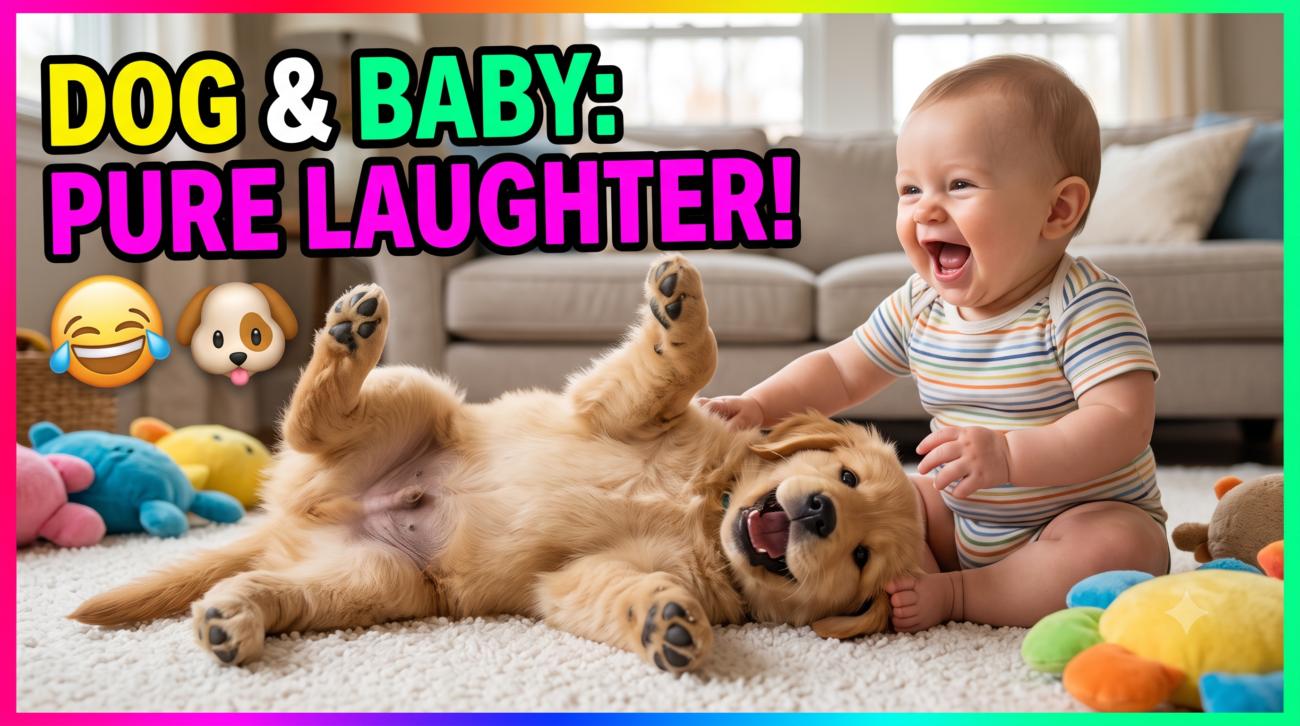
Few scenes in everyday family life bring as much unadulterated joy as a playful dog interacting with a baby in the living room. Whether it is a gentle golden retriever nudging a soft plush toy forward or a tiny pup doing dramatic zoomies across the rug, the unfiltered bond between animals and infants holds a universal appeal. When the baby lets out that signature, high-pitched belly giggle, the entire room inevitably erupts into infectious laughter. Beyond being heart-melting internet fodder, these lighthearted moments capture something deeply touching about childhood, companionship, and non-verbal communication.
The Anatomy of the Game
Babies and dogs understand each other through an unspoken language grounded in movement, curiosity, and sheer wonder. A baby sitting propped up on a play mat perceives a dog not just as a pet, but as an animated, fuzzy playmate with an unpredictable streak. The dog, recognizing the fragility and small stature of the child, often calibrates its energy into playful antics—exaggerated bows, sudden pauses, goofy head tilts, and gentle hops that seem specifically designed to amuse their tiny human companion.
A classic game of peek-a-boo around the edge of a sofa or a slow-motion game of tug with a soft blanket often sends a baby into fits of uncontrollable giggles. The sound of that laughter serves as immediate positive reinforcement; dogs frequently respond to happy squeals by wagging their tails faster, spinning in silly circles, or rolling onto their backs to show off their bellies.
Emotional and Developmental Perks
Watching a dog perform silly antics in front of an infant does more than just brighten a parent’s afternoon. For the baby, these interactive moments provide significant sensory and developmental stimulation:
-
Visual and Motor Engagement: Tracking a scampering puppy across the carpet exercises eye muscles, spatial awareness, and head coordination.
-
Emotional Well-being: Laughter triggers the release of endorphins, lowering stress levels for everyone in the room and fostering early emotional security.
-
Early Empathy: Growing up around animals instills respect, compassion, and an intuitive sense of sharing personal space from an early age.
-
For parents, these spontaneous bursts of humor offer a much-needed break from the exhausting routines of feeding schedules, sleepless nights, and endless chores. A single moment of shared laughter over a dog stealing a clean sock and parading it proudly in front of a clapping baby can instantly lift the entire household’s spirits.
Safety and Harmony at Home
While these encounters make for heartwarming memories, safe interactions are the foundation of any long-term bond between pets and infants:
-
Continuous Supervision: Never leave an infant and a dog unattended, no matter how gentle or well-trained the pet is.
-
Respecting Boundaries: Ensure your dog has a quiet “safe zone” or crate where it can retreat undisturbed when overwhelmed by noise or movement.
-
Reading Body Language: Learn to recognize signs of canine stress—such as lip licking, yawning, or turning away—and gently redirect the play before excitement turns into overstimulation.
When guided with patience and mindful care, the joyful chaos of a dog and a baby sharing a laugh creates memories that linger long after the toddler years fade, laying the groundwork for a lifelong friendship.
